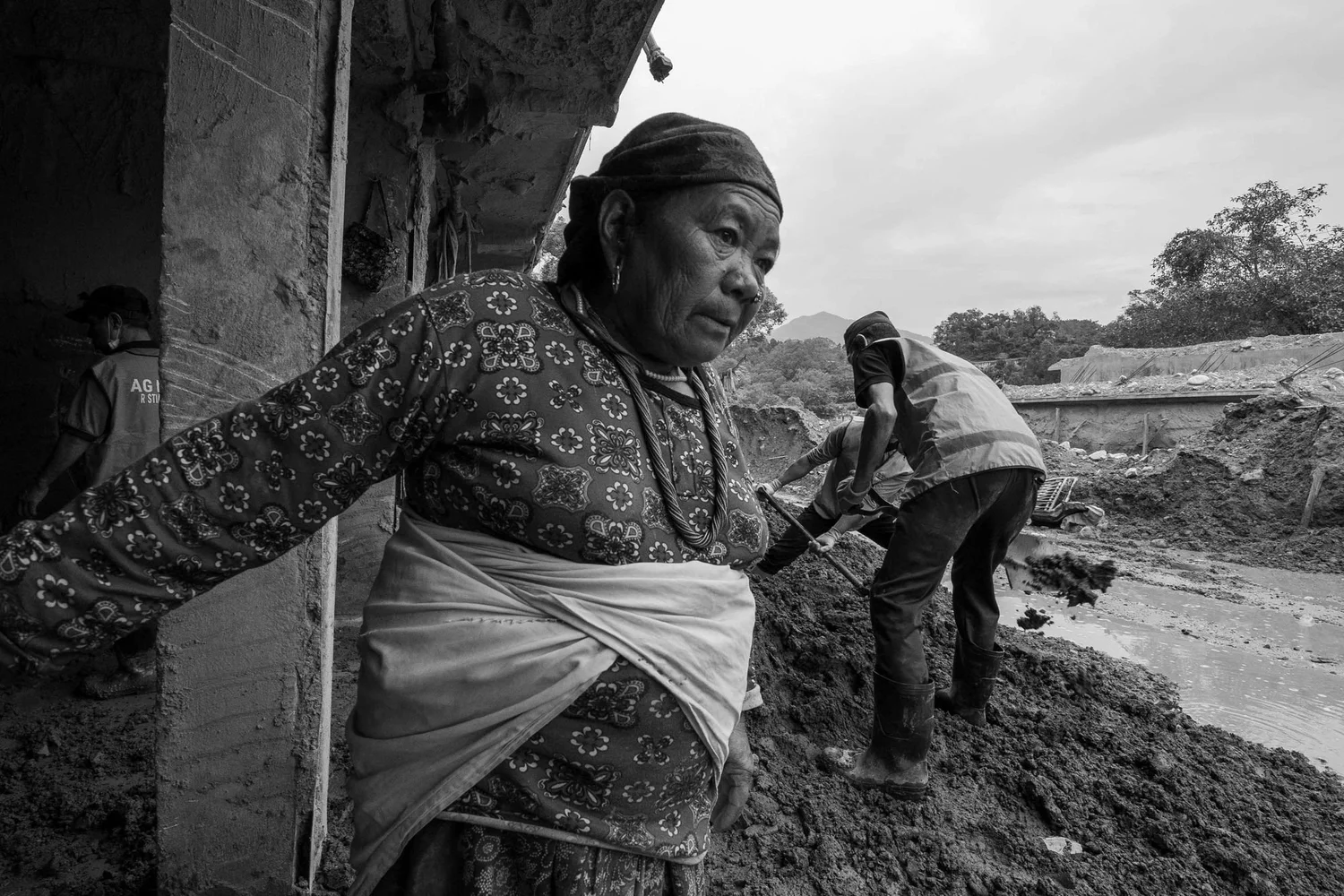
Nuwakot
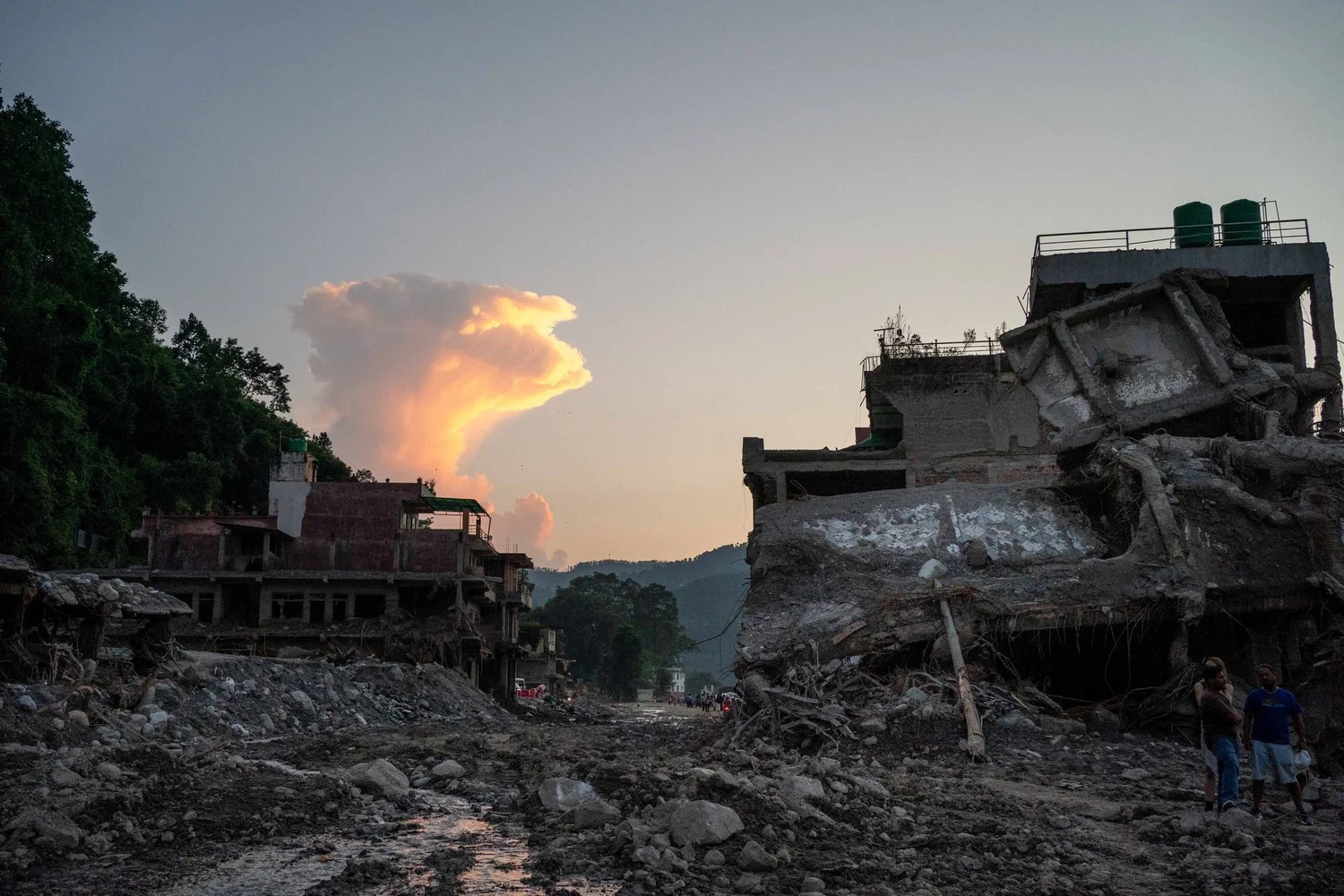
After the flood on the Trishuli River
Nepal, 2026
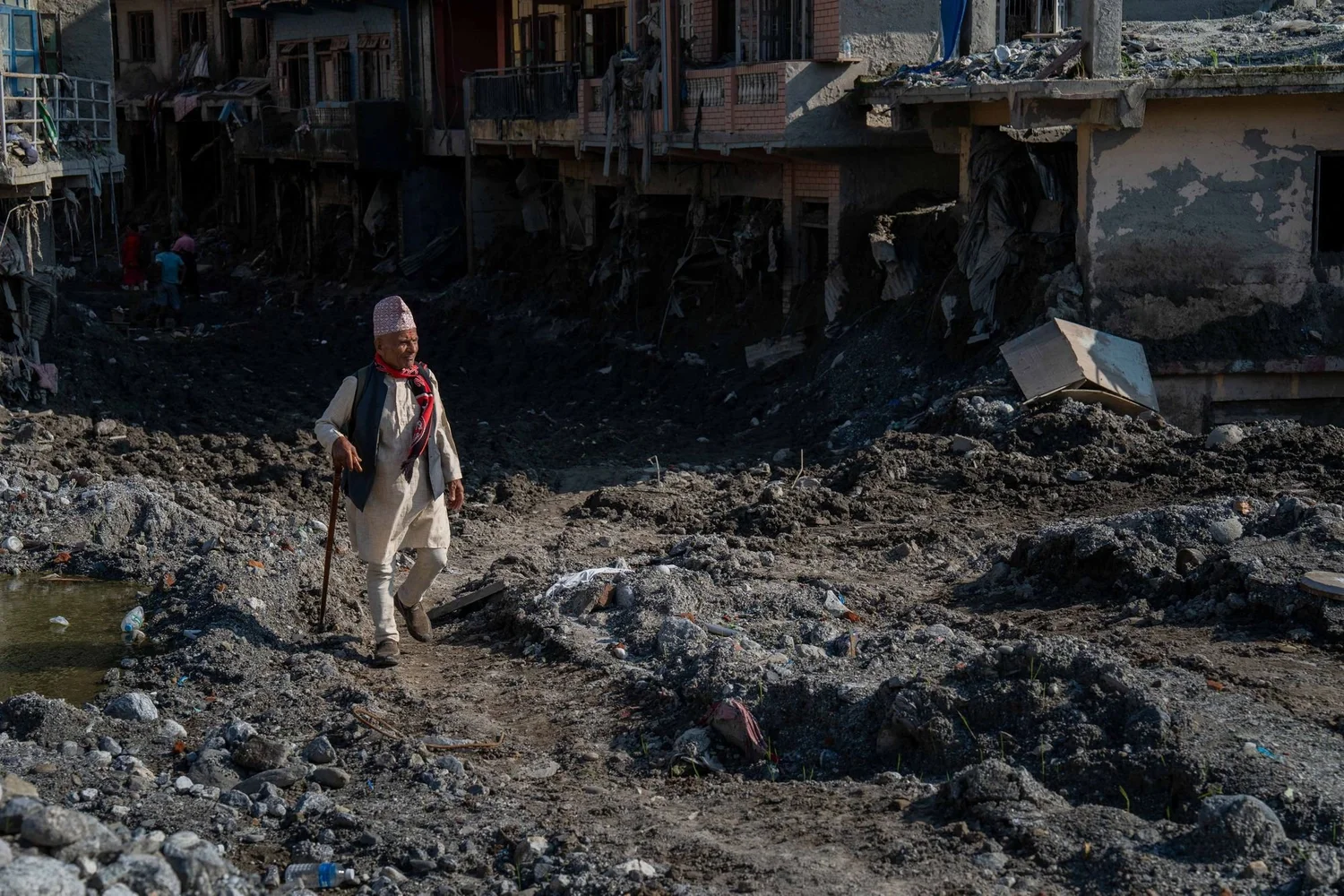
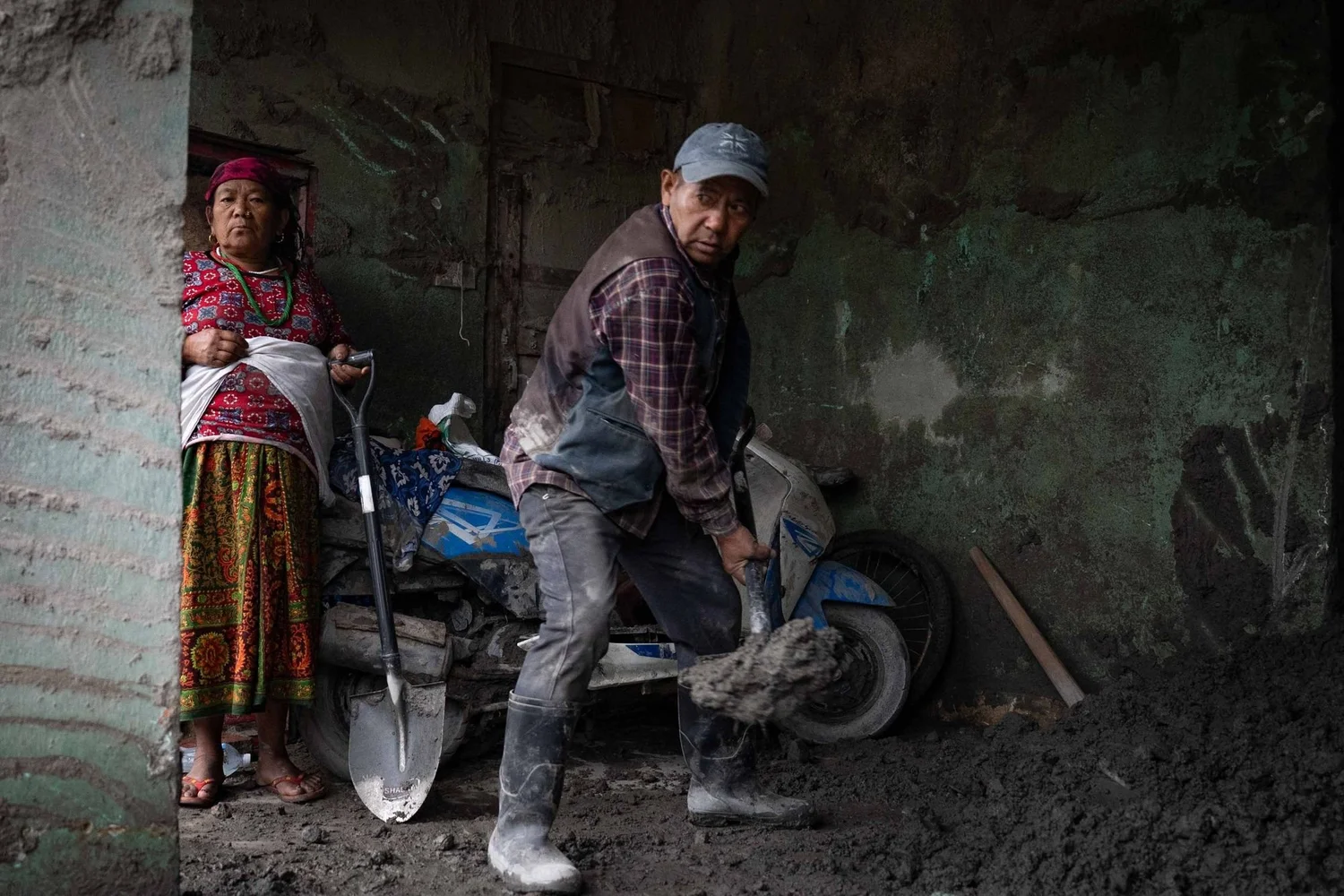
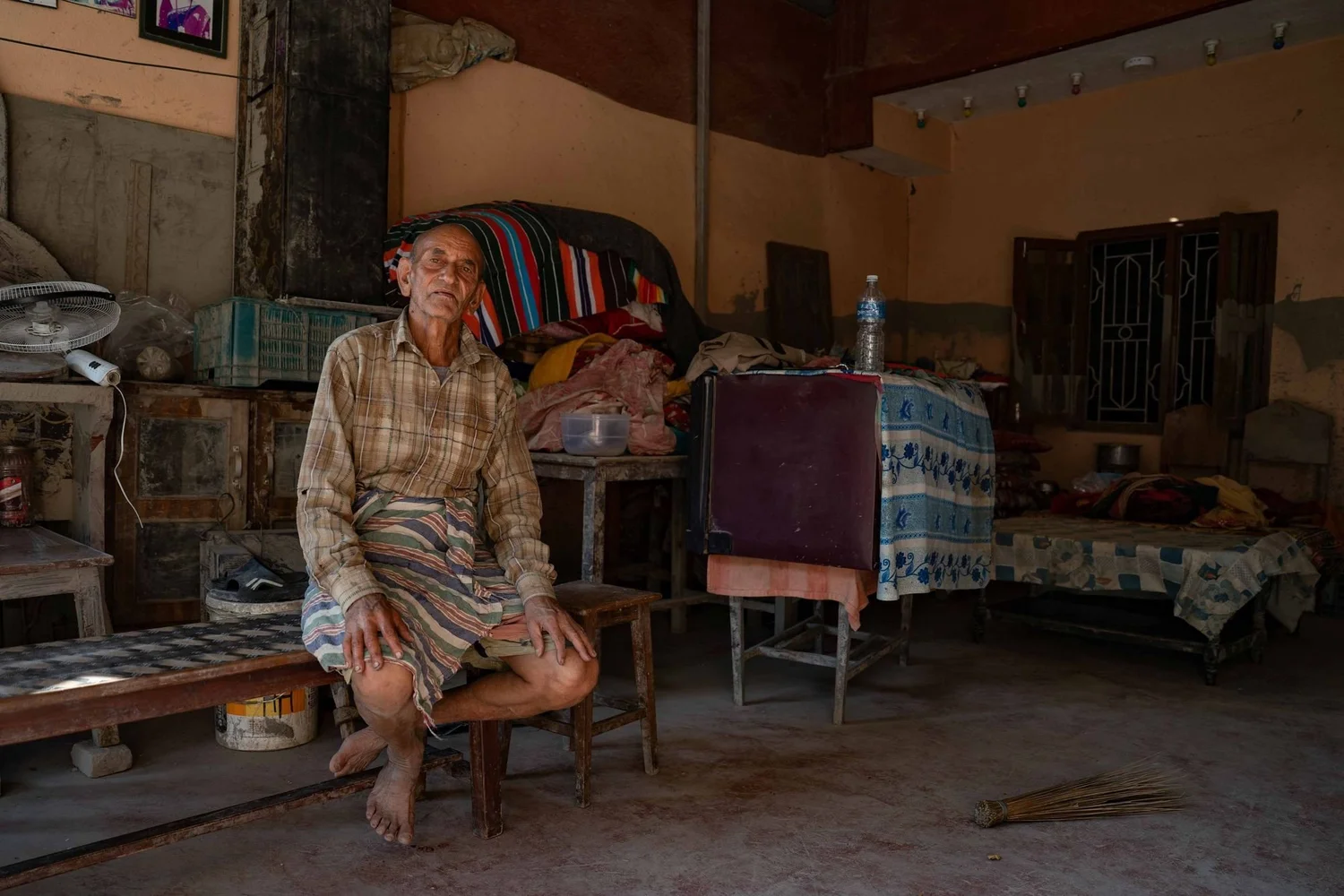
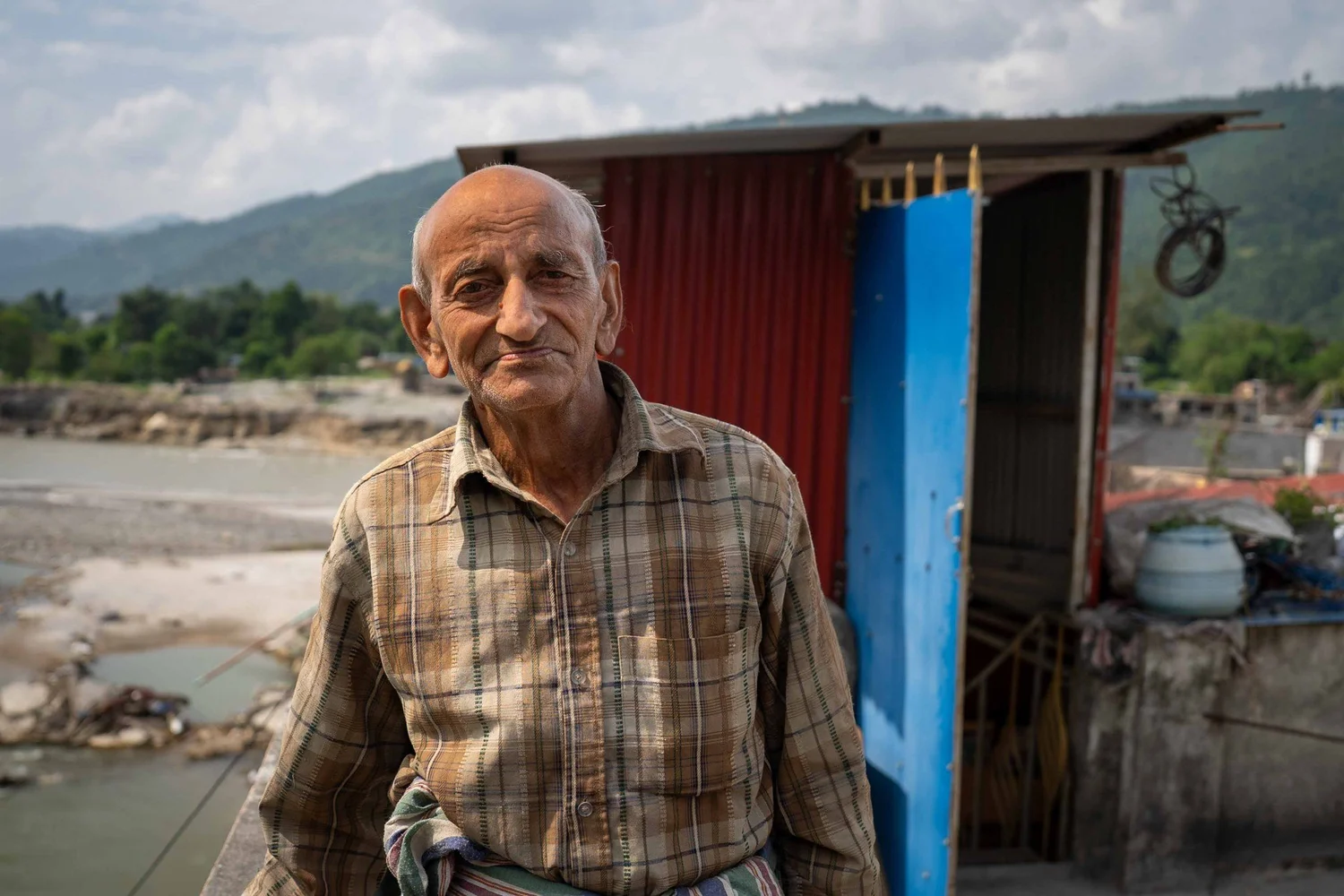
Krishna Bahadur Bhatta
The farmer
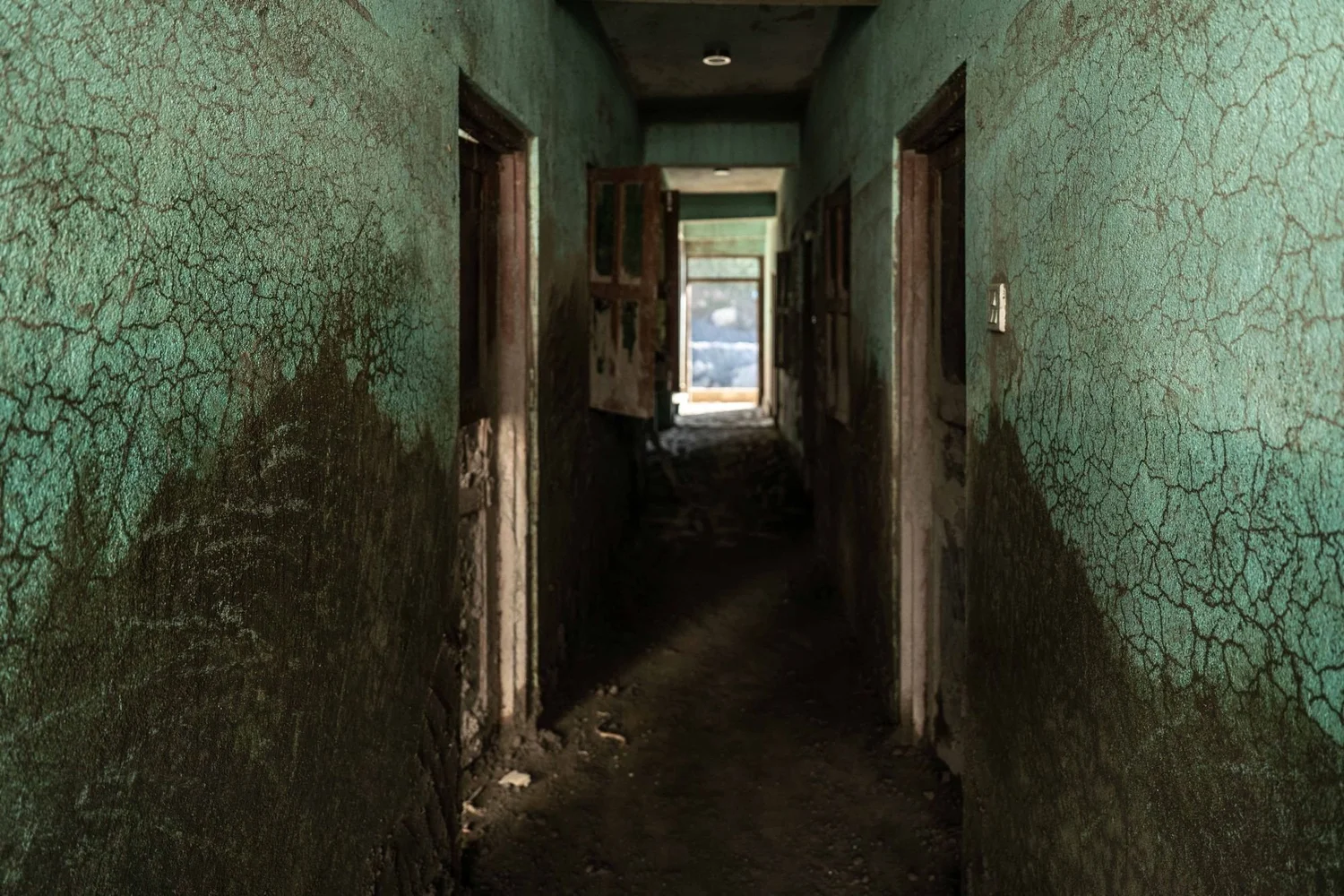
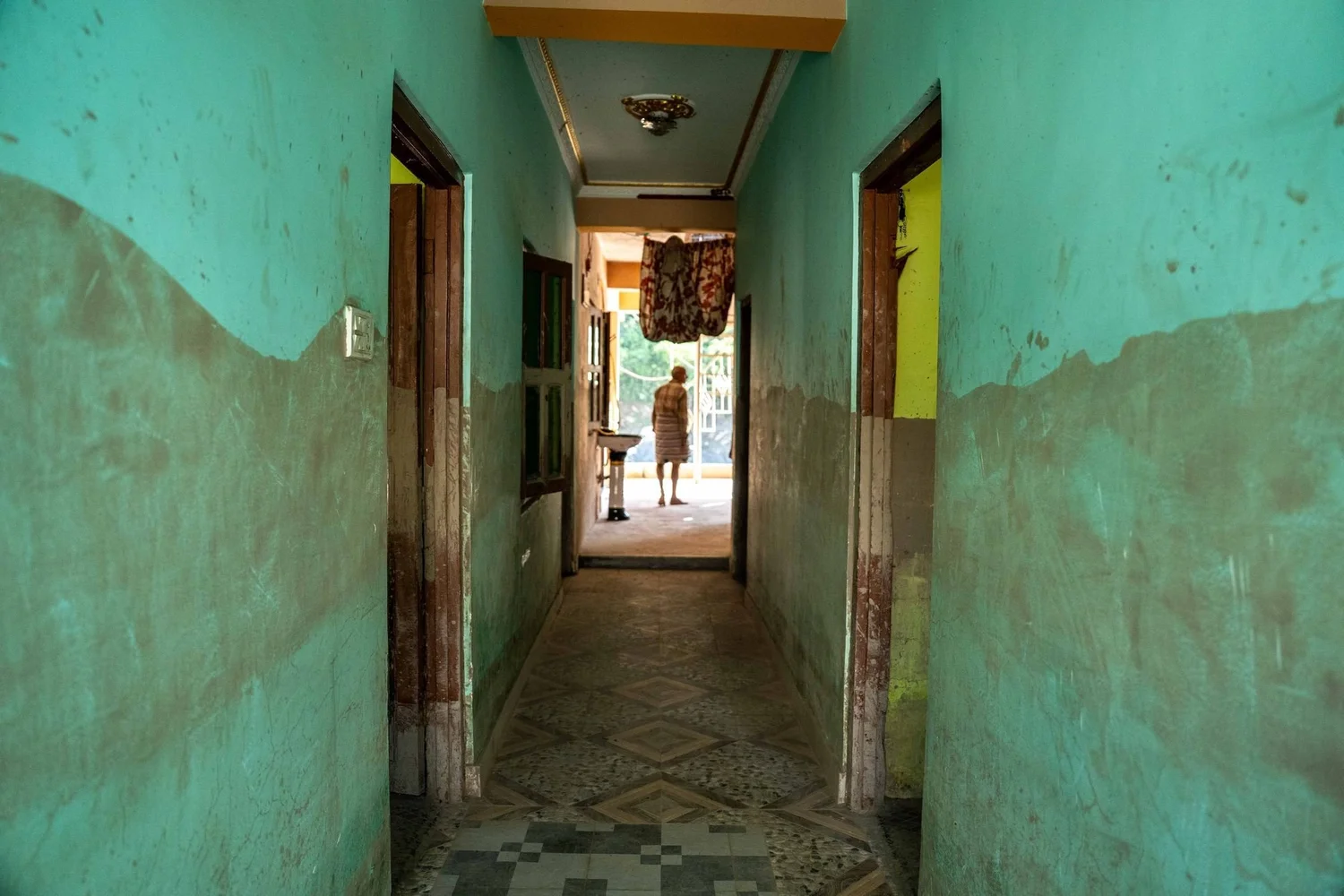
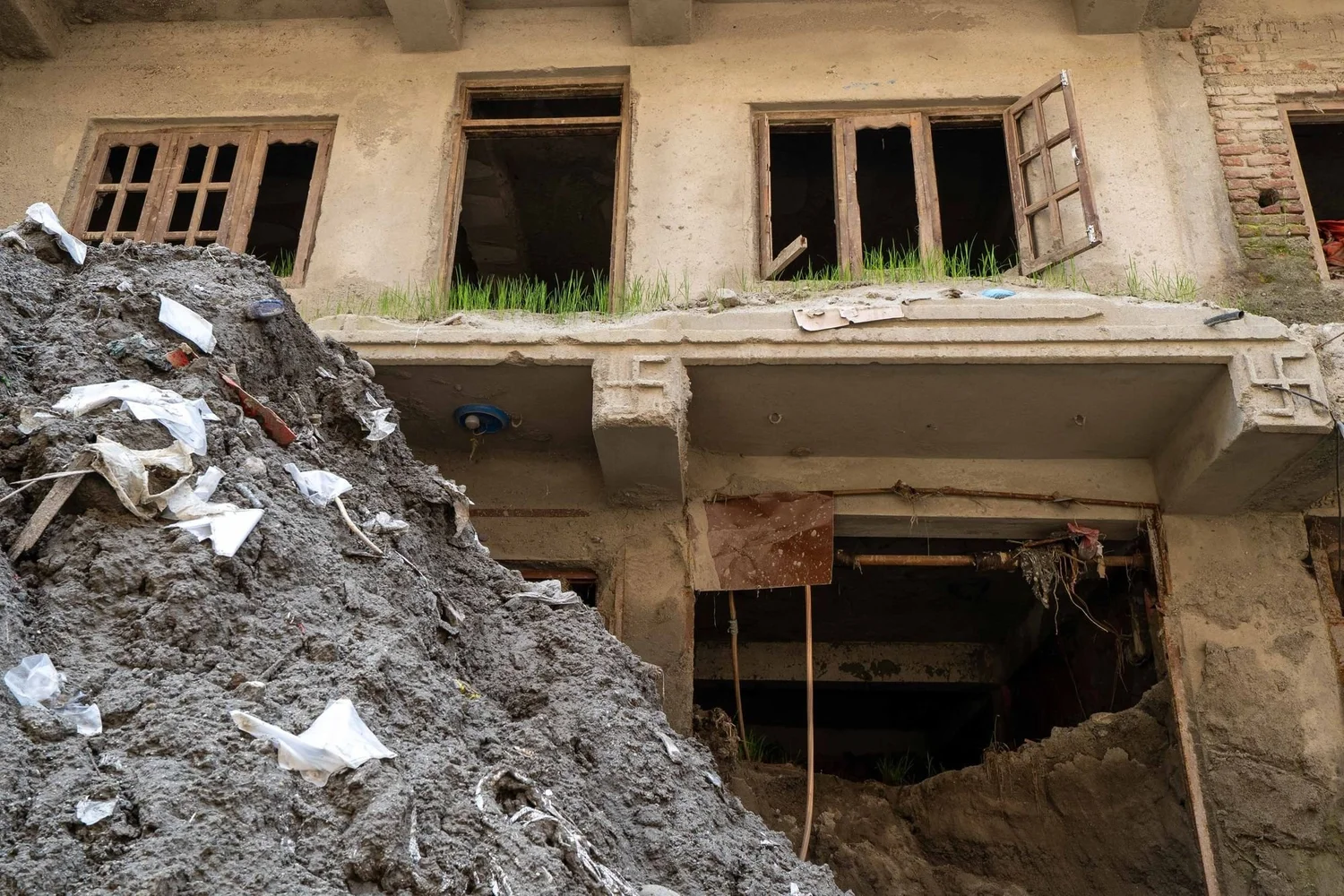
“Should I take my shoes off?” I asked. Krishna laughed and told me no. He had just swept the last of the mud out of his house.
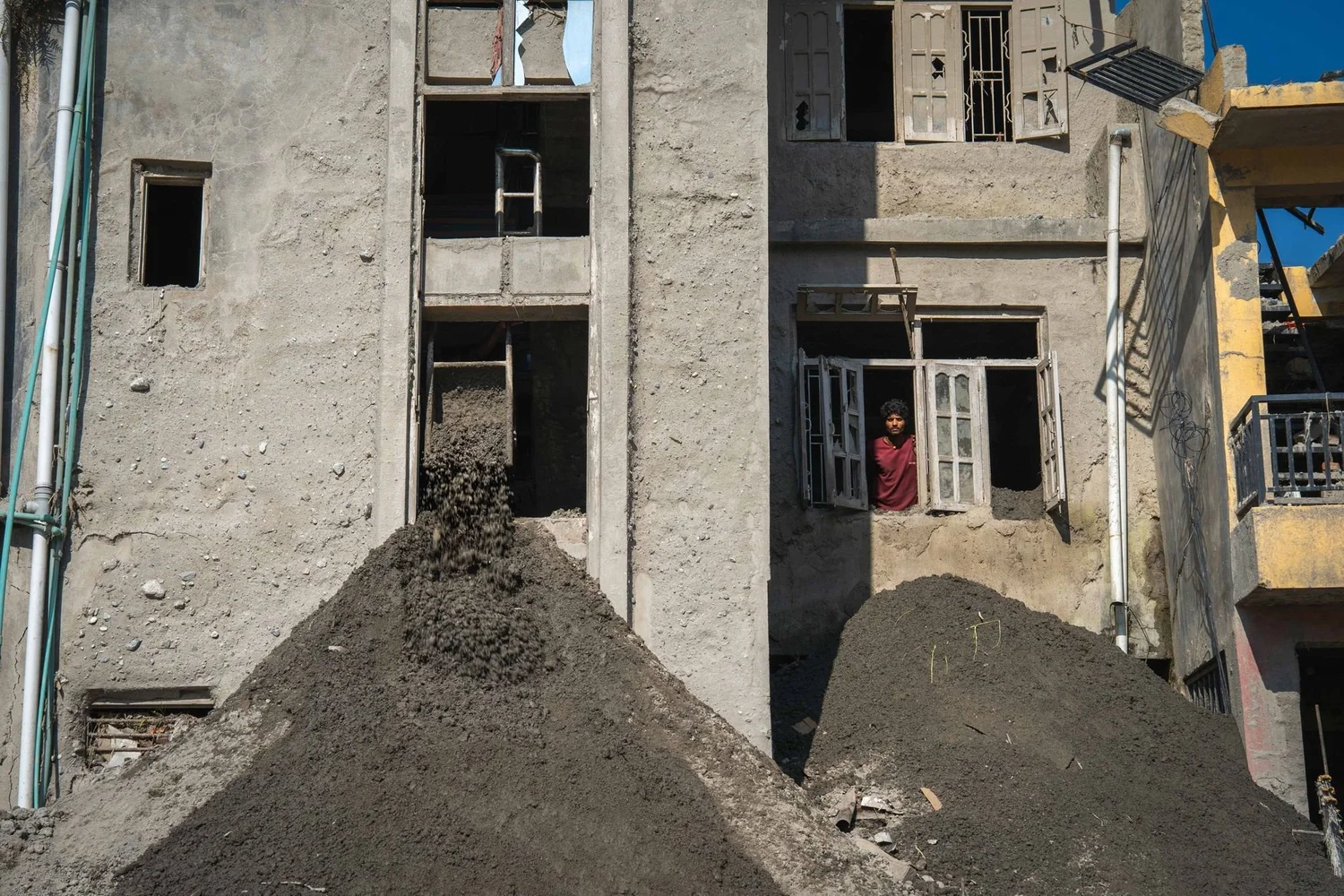
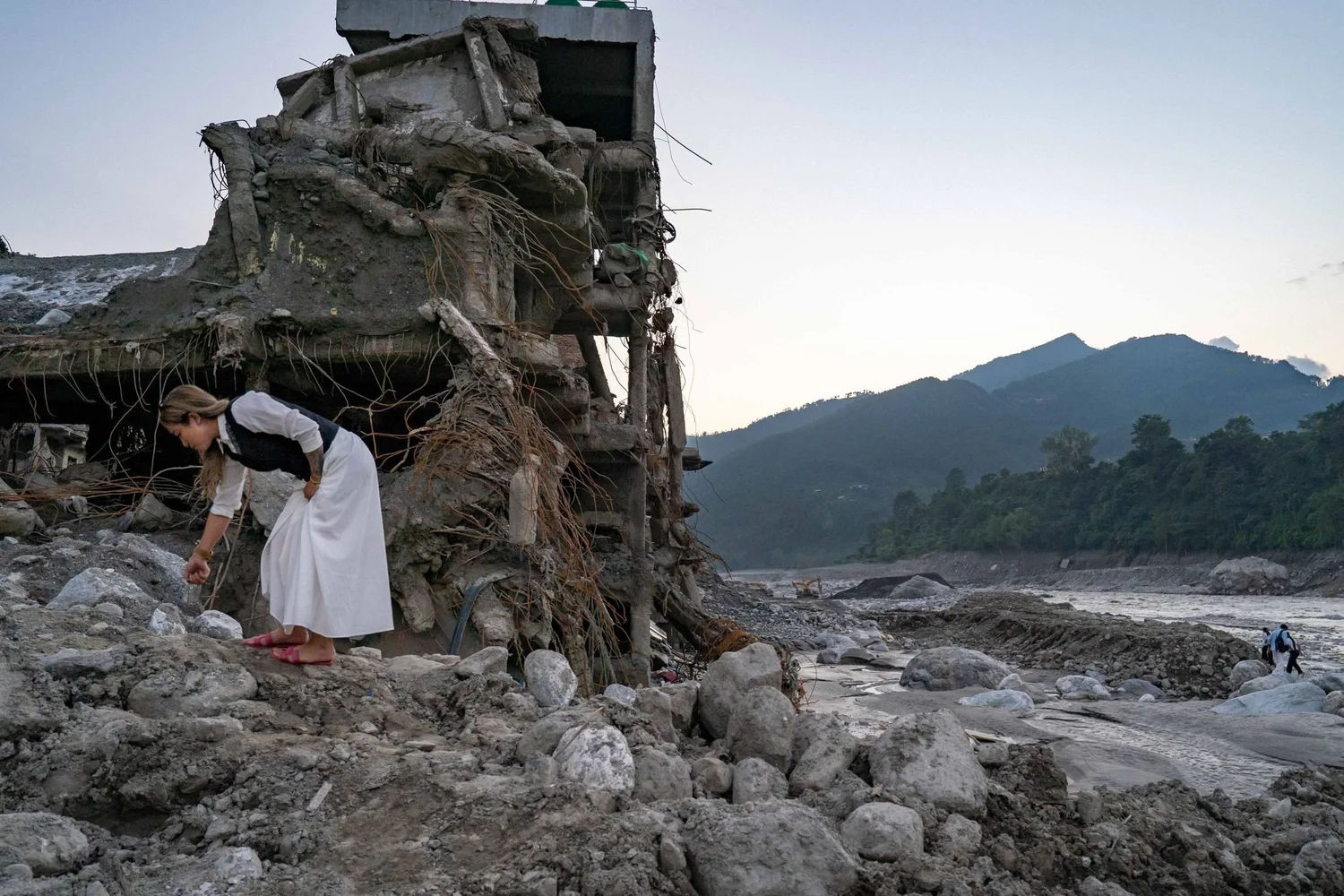
Five weeks earlier, on a clear, sunny morning, a glacier collapsed high upstream near the Tibetan border, damming the river with ice and rock. When the dam broke, the Trishuli River rose thirty feet in half an hour and ripped down the valley, destroying more than 7,500 homes.
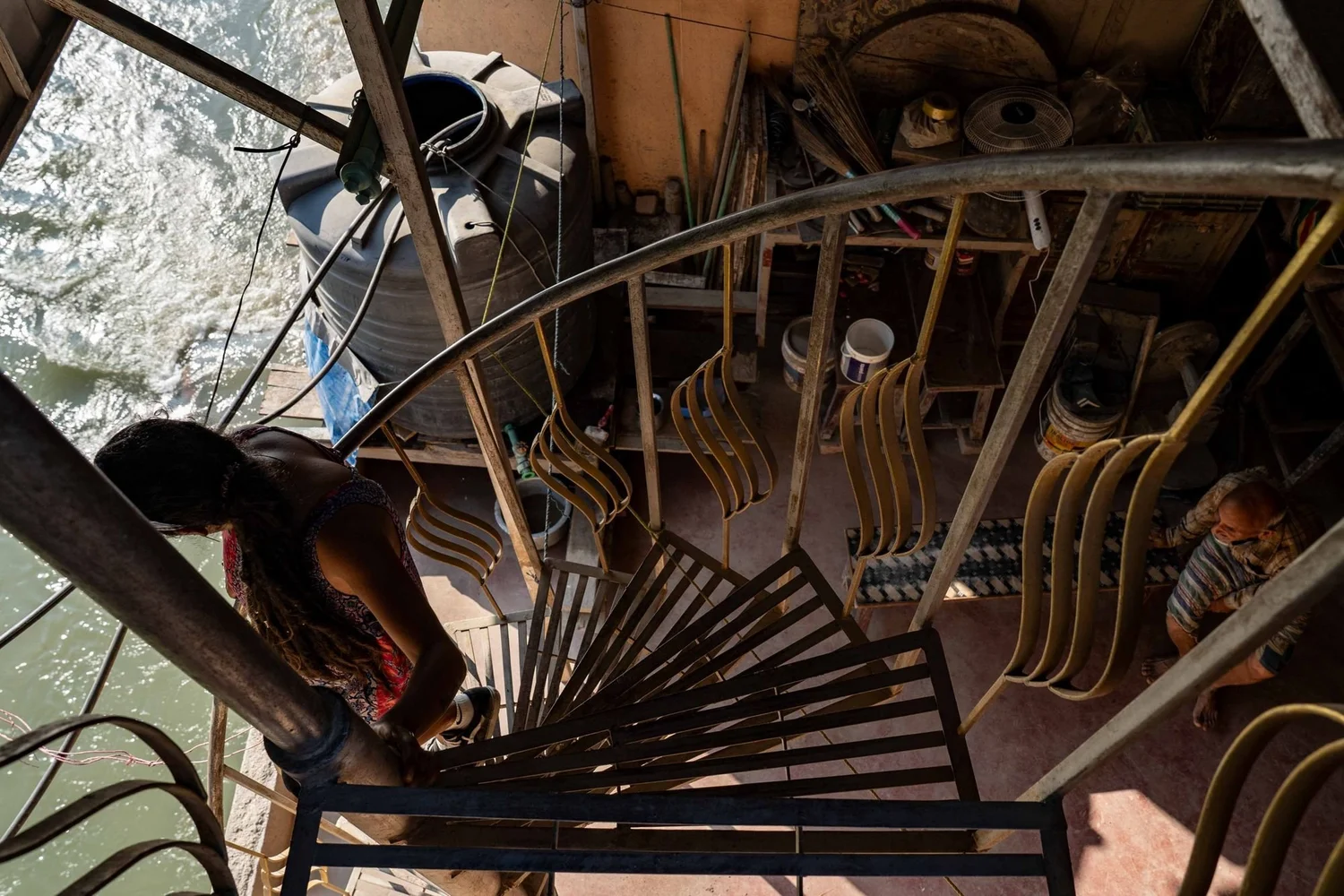
Krishna Bahadur Bhatta, a local farmer, was in Kathmandu that day, but his cousin was in the house when the warnings came. She went to the third floor thinking she would be safe there, and is now one of 5,745 people still missing. The back of his house, along with his farm across the river where he grew rice, corn and wheat, is gone.
After the flood, he was able to clean the top floor enough to house around 50 people whose homes had been buried or washed away. So far, he has spent around 1 lakh of his own money, about $660, cleaning up a house the government will likely bulldoze anyway.
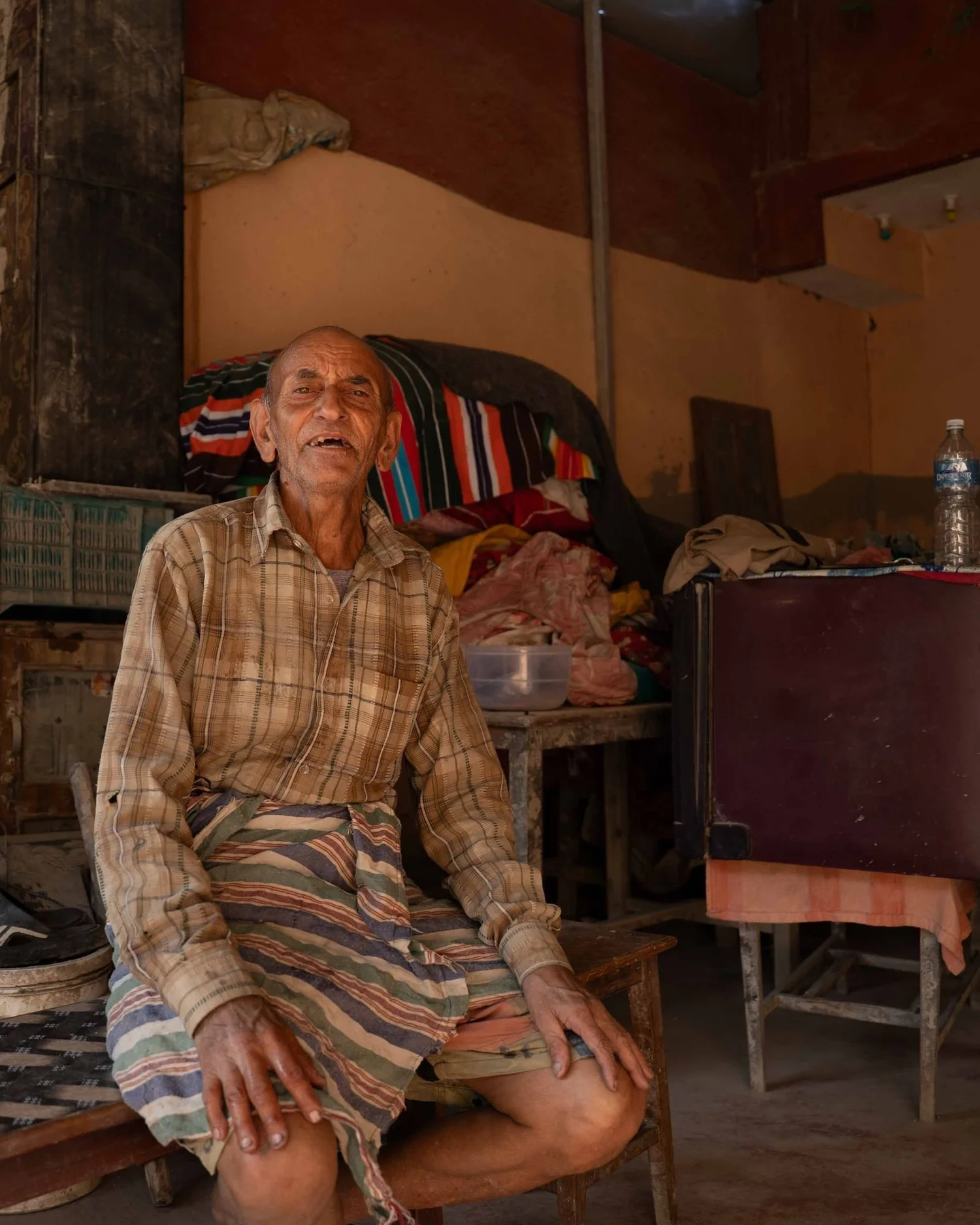
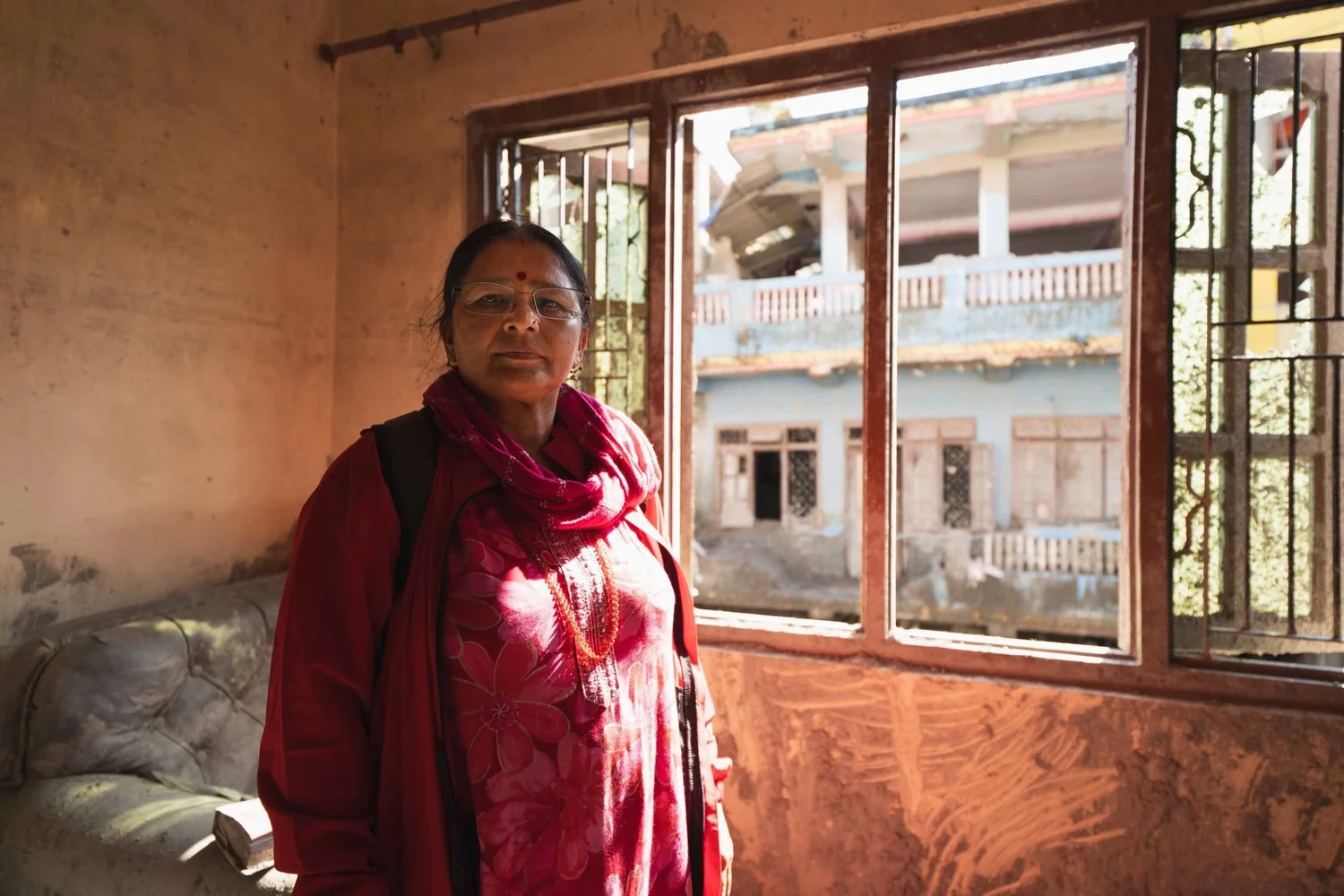
Bhagwati Khatiwade
The bookseller
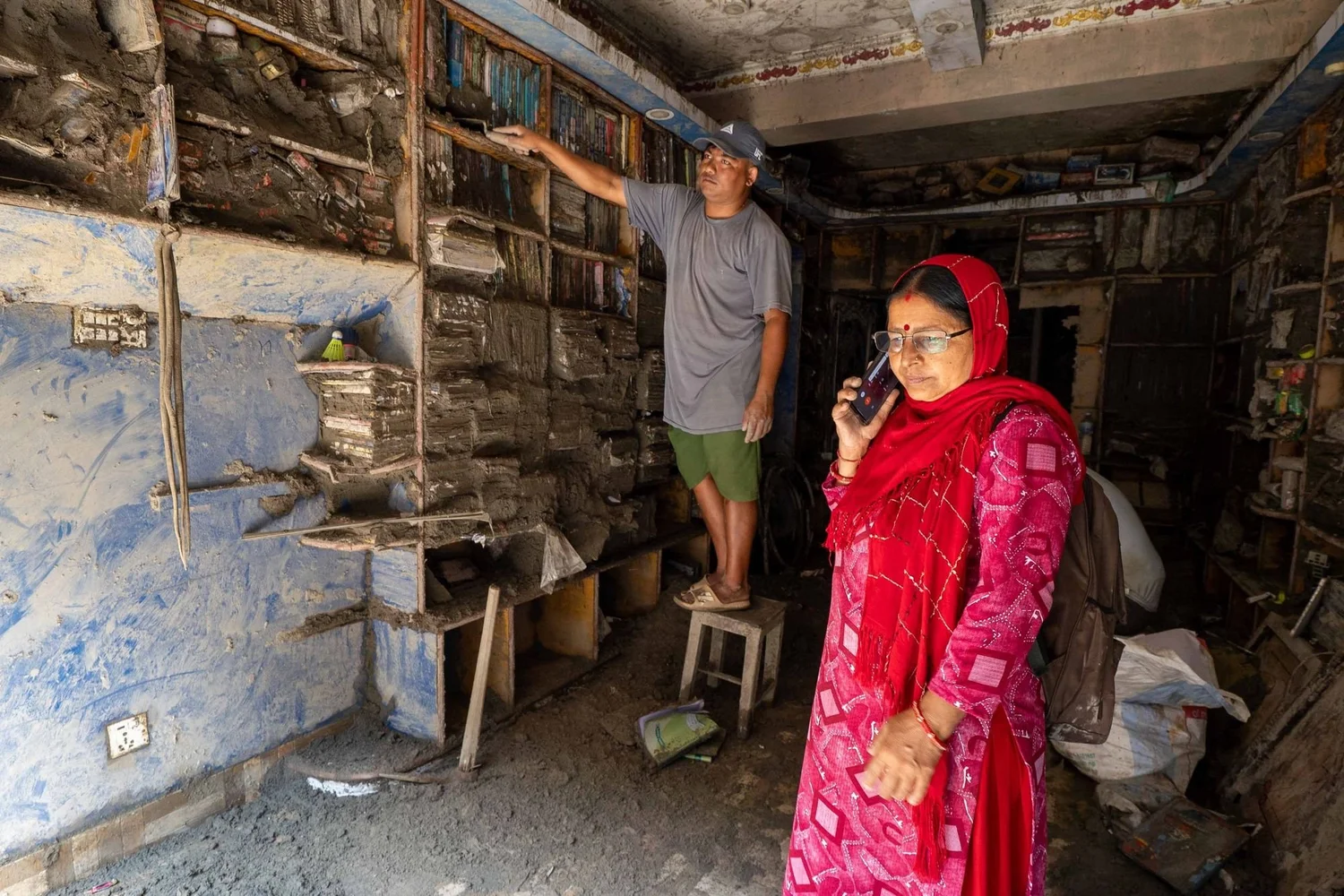
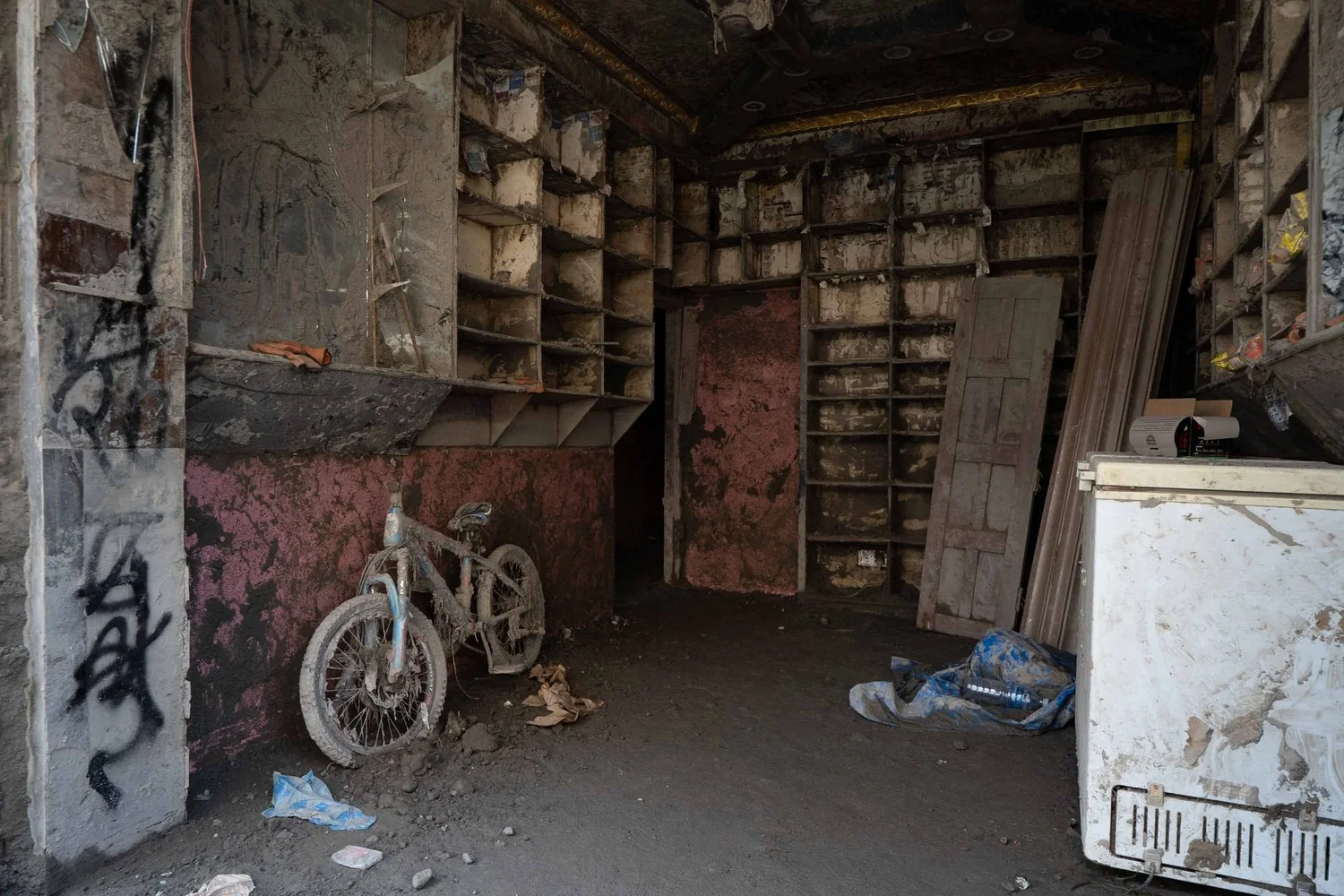
Bhagwati Khatiwade, a bookshop owner, ran uphill when the water came. Her bookshop was on the ground floor of her three-story home, now buried in mud. She has spent weeks, and a great deal of her own money, digging out her home and trying to salvage any books she can.
Both of her sons have moved abroad for work. The one in New Zealand flew home for two weeks to help her dig.
I tried to follow her across the rubble and down a slick, crumbling slope in my fancy trail runners, sliding on my backside most of the way, while she cruised ahead in sandals like she was walking through the market.
If the river ever comes again, I’m following her.
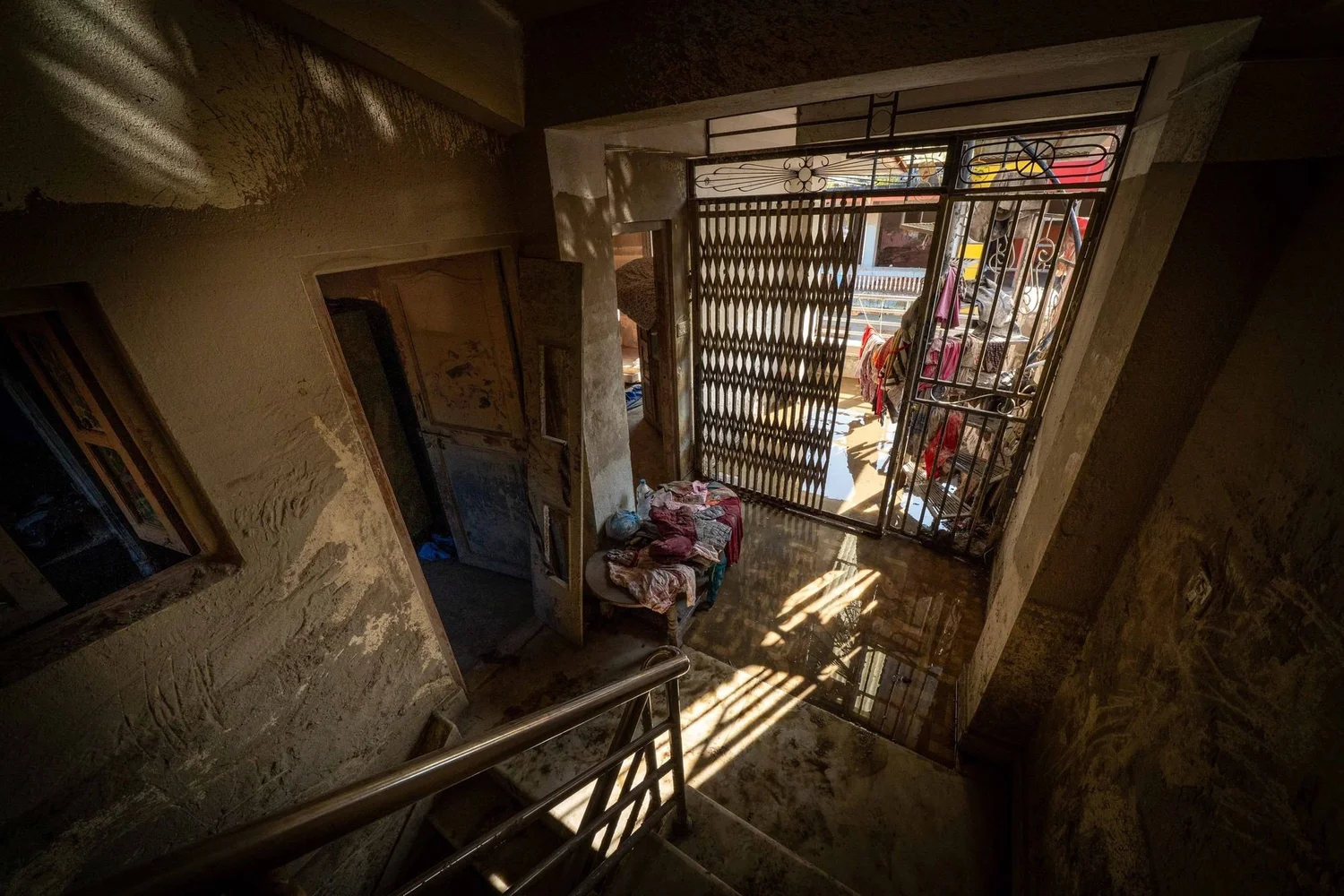
Pipaltar holding center
Downriver
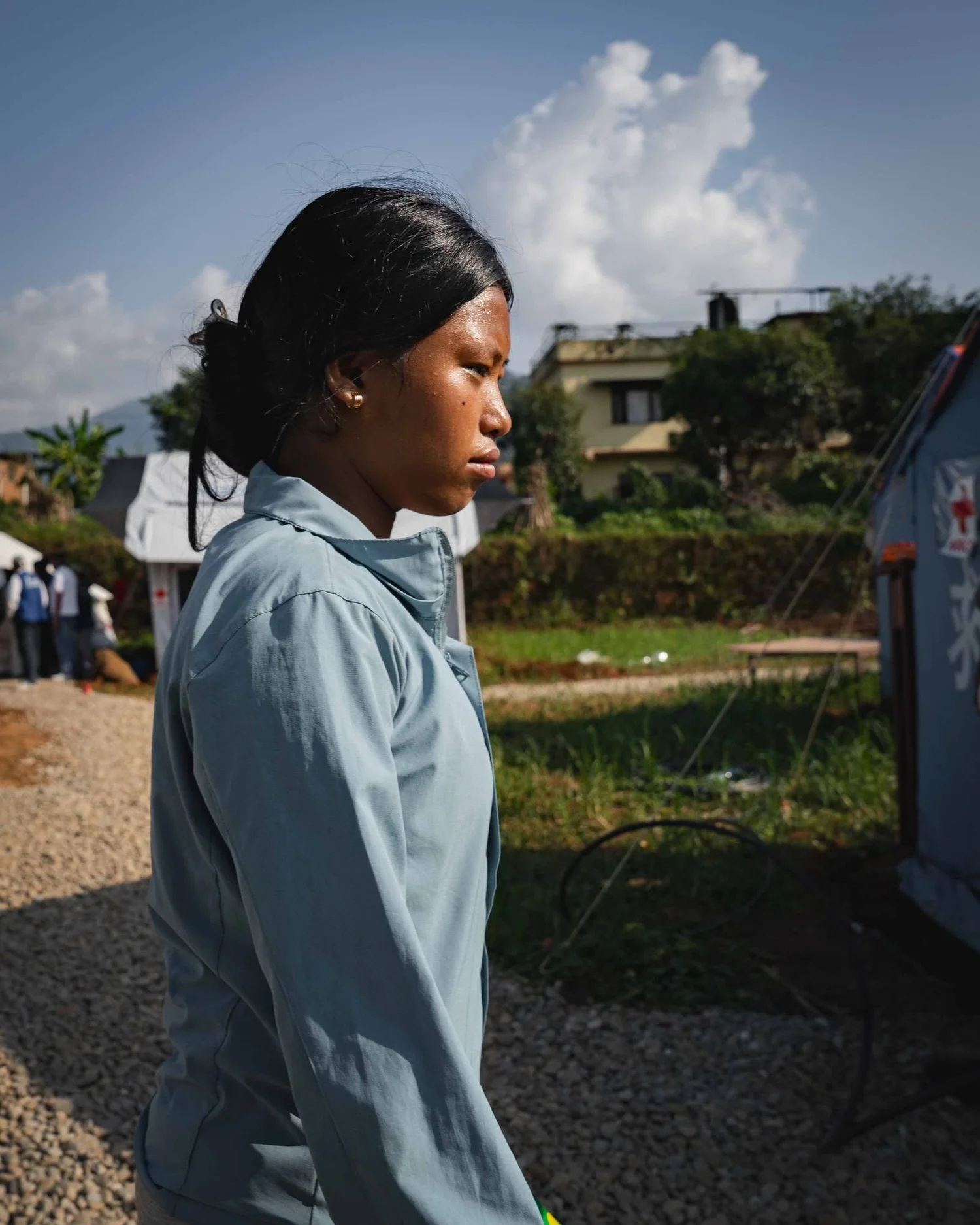
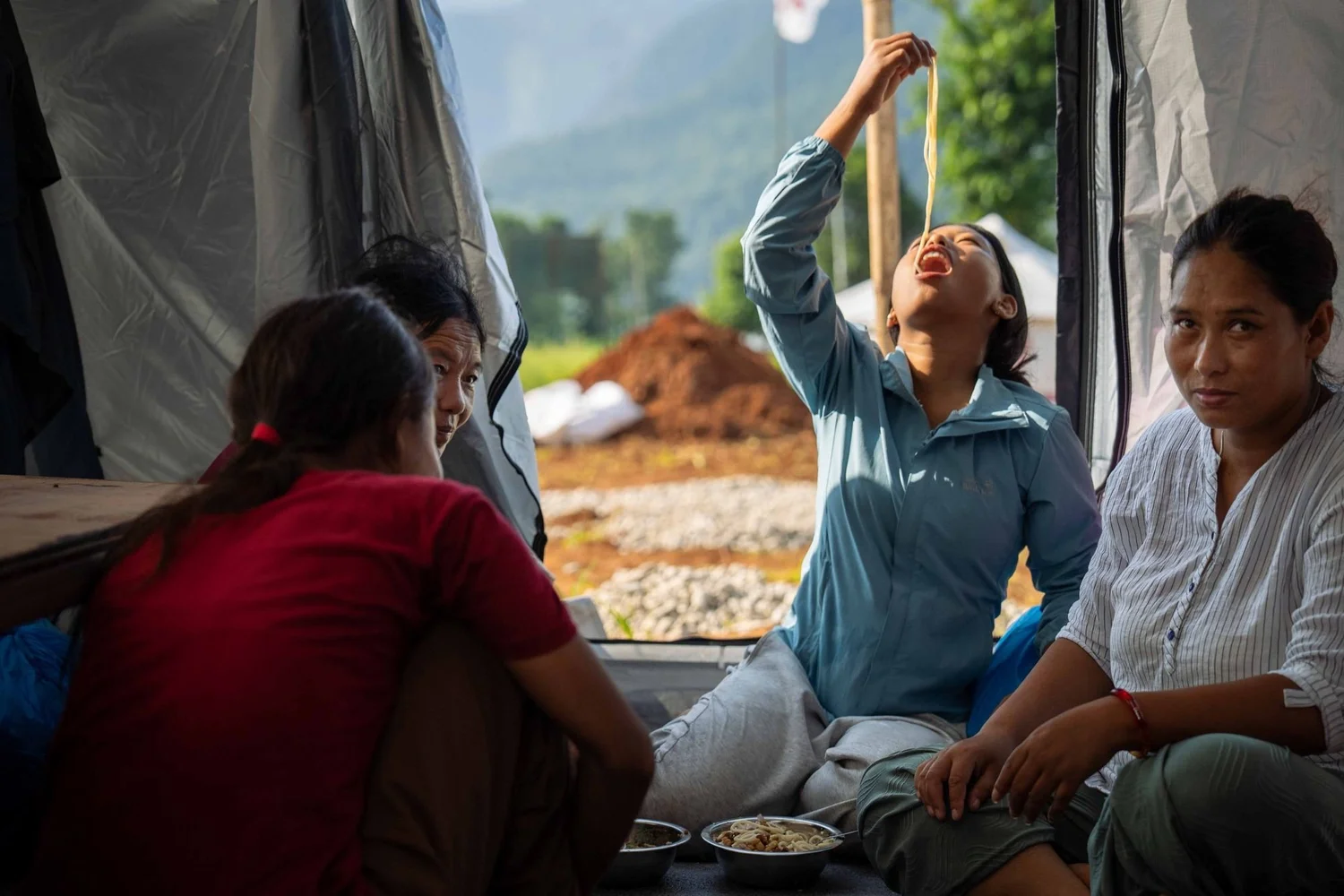
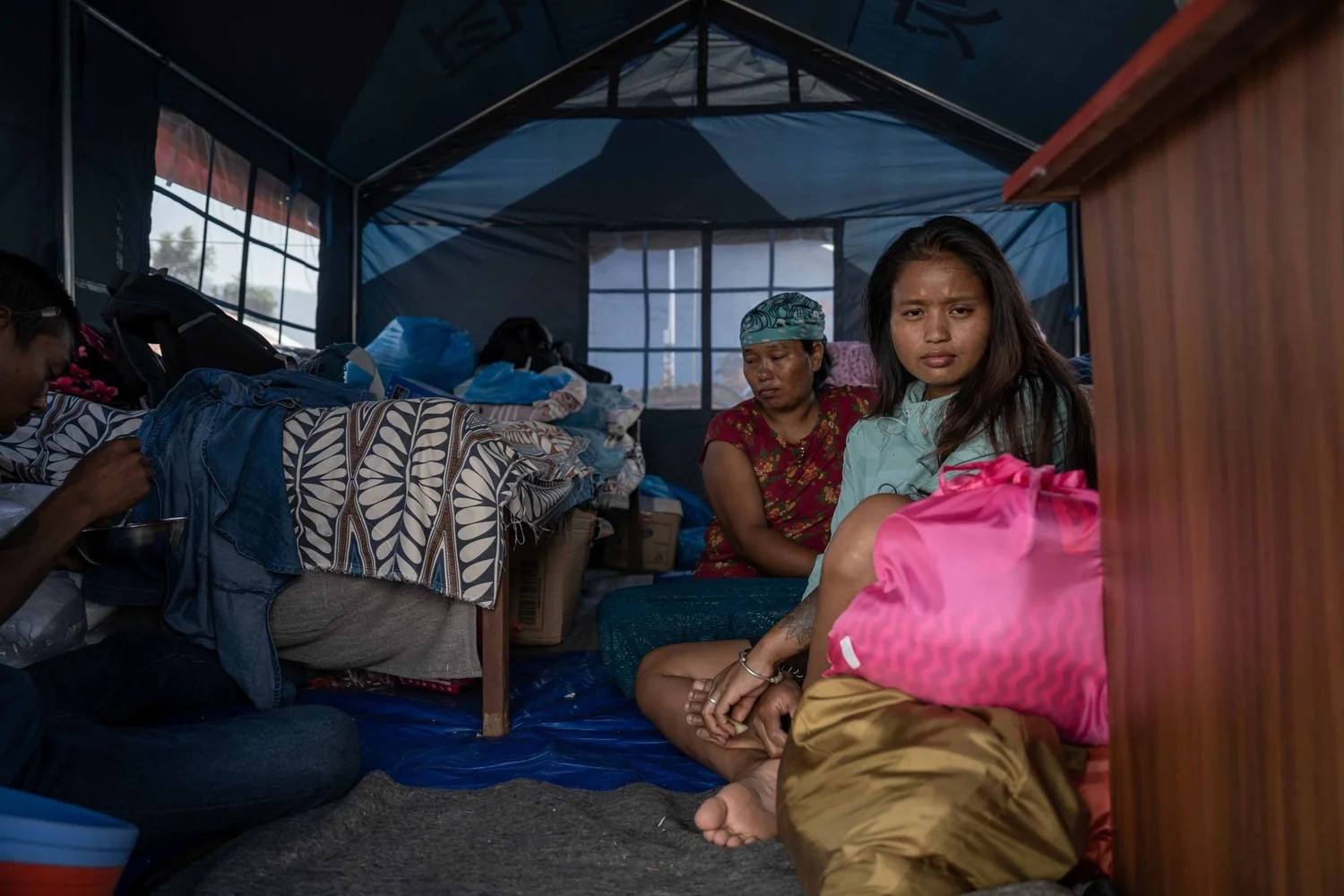
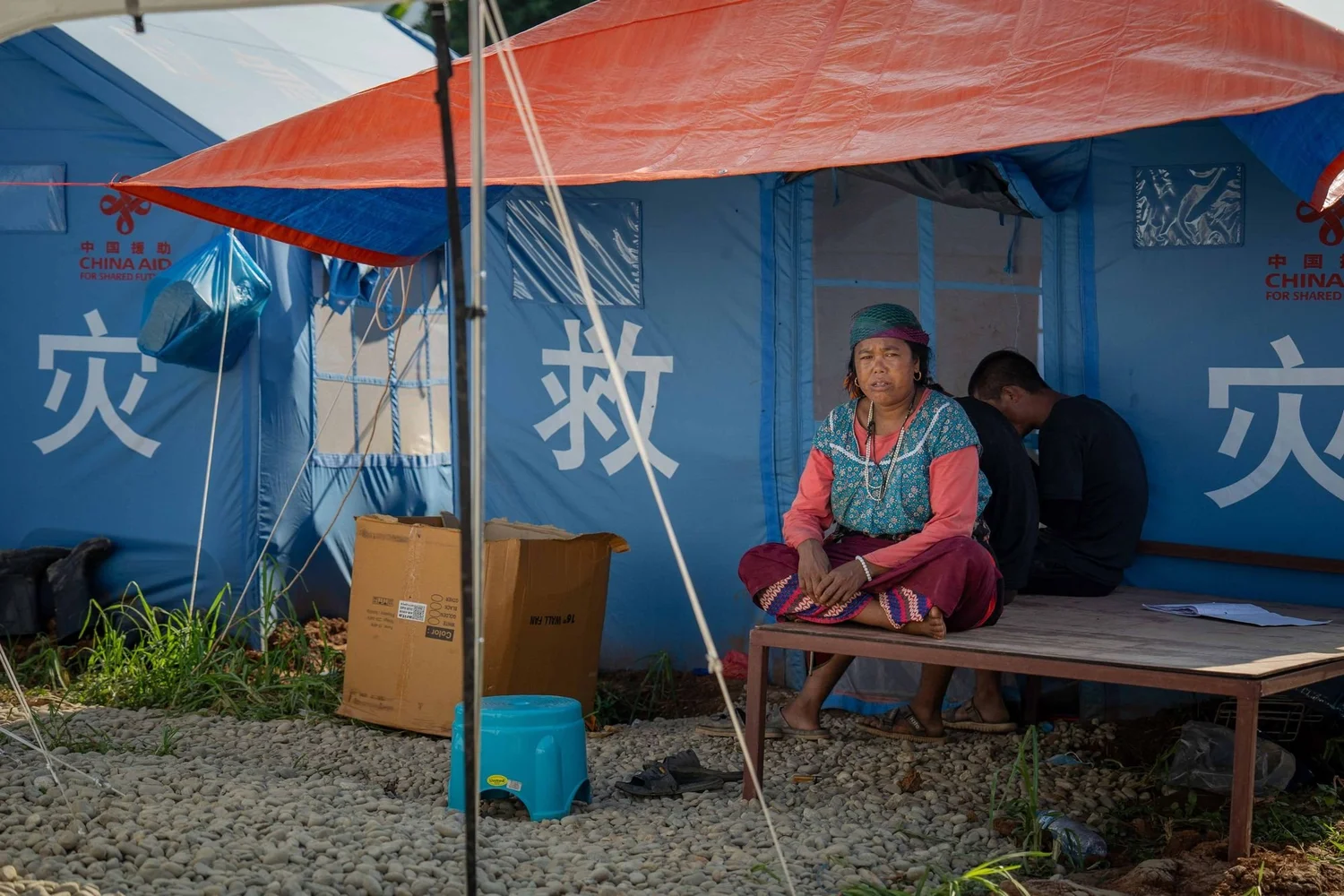
275 people living in 70 tents, mostly Rasuwa families who lost everything, many for the second time since the 2015 earthquake. A local ward chair told reporters that almost every family here had lost someone.
Pipaltar is one of 37 holding centers set up after the flood. In mid-September they held almost 3,700 people. By mid-October, 943 were left. The rest gave up on leaking tents and a government that still hasn’t told them where to go. Now they rent rooms, or land to pitch a tarp on.
The government promised rent aid of about $100 a month. As of late October, families here still hadn’t received it.
How to help
Single mothers
Tukee Foundation, which supports single mothers and older women, and Nivas, which builds homes with women-led families.
Rehoming a family
Bimiri Foundation, which is raising money to rehome Raju, a longtime member of its team in Nepal, whose village was swept away in the August 26 flood.
Displaced families
Nepal’s Prime Minister’s Disaster Relief Fund, through the official accounts listed by the Prime Minister’s office.
Can’t give? Share this story.
Photographed in Devighat and Pipaltar, Nuwakot district, Nepal, September 30 to October 9, 2026.
Missing count (5,745) as of September 21, 2026. Holding-center figures from Nepal’s National Disaster Risk Reduction and Management Authority, reported by The Kathmandu Post. Homes destroyed (7,570) across Rasuwa, Nuwakot and Dhading, per The Kathmandu Post, October 1, 2026. 1 lakh = 100,000 Nepali rupees.